
Buying vs Leasing
Buying vs Leasing: What's Right for You When Buying a Subaru?
Choosing how to acquire your next Subaru is a pivotal decision that can shape your driving experience for years to come. With a range of stunning models like the rugged 2026 Outback, the spacious and family-friendly 2026 Ascent, and the sleek and sophisticated 2026 Legacy, it's no wonder that many Sayville residents find themselves weighing the benefits of buying versus leasing.
At its core, buying a Subaru means owning your vehicle outright, providing you with the freedom to customize and drive it as much as you desire. However, this option often comes with higher monthly payments and the responsibility of maintenance as the car ages. On the other hand, leasing offers an exciting alternative: lower monthly payments, the opportunity to drive the latest models, and warranty coverage that alleviates many repair costs. Yet, it also comes with mileage restrictions and the reality that you won't own the vehicle at the end of the lease term.
Understanding these nuances is crucial in making an informed choice that aligns with your lifestyle and financial situation. Are you someone who loves the idea of a new vehicle every few years, or do you prefer the long-term investment of owning your car?
At East Hills Subaru of Sayville, we're dedicated to helping you explore these options in depth. Our expert team is here to provide personalized insights tailored to your specific needs and preferences. Whether you're drawn to the adventurous spirit of the Outback, the family-oriented features of the Ascent, or the sleek design of the Legacy, we can guide you through the process, answering any questions you may have about leasing terms or financing options.
We invite you to visit us at our Sayville dealership or reach out for a conversation about what suits you best. Together, we can ensure that you find the perfect Subaru that not only meets your driving needs but also enhances your lifestyle for years to come.

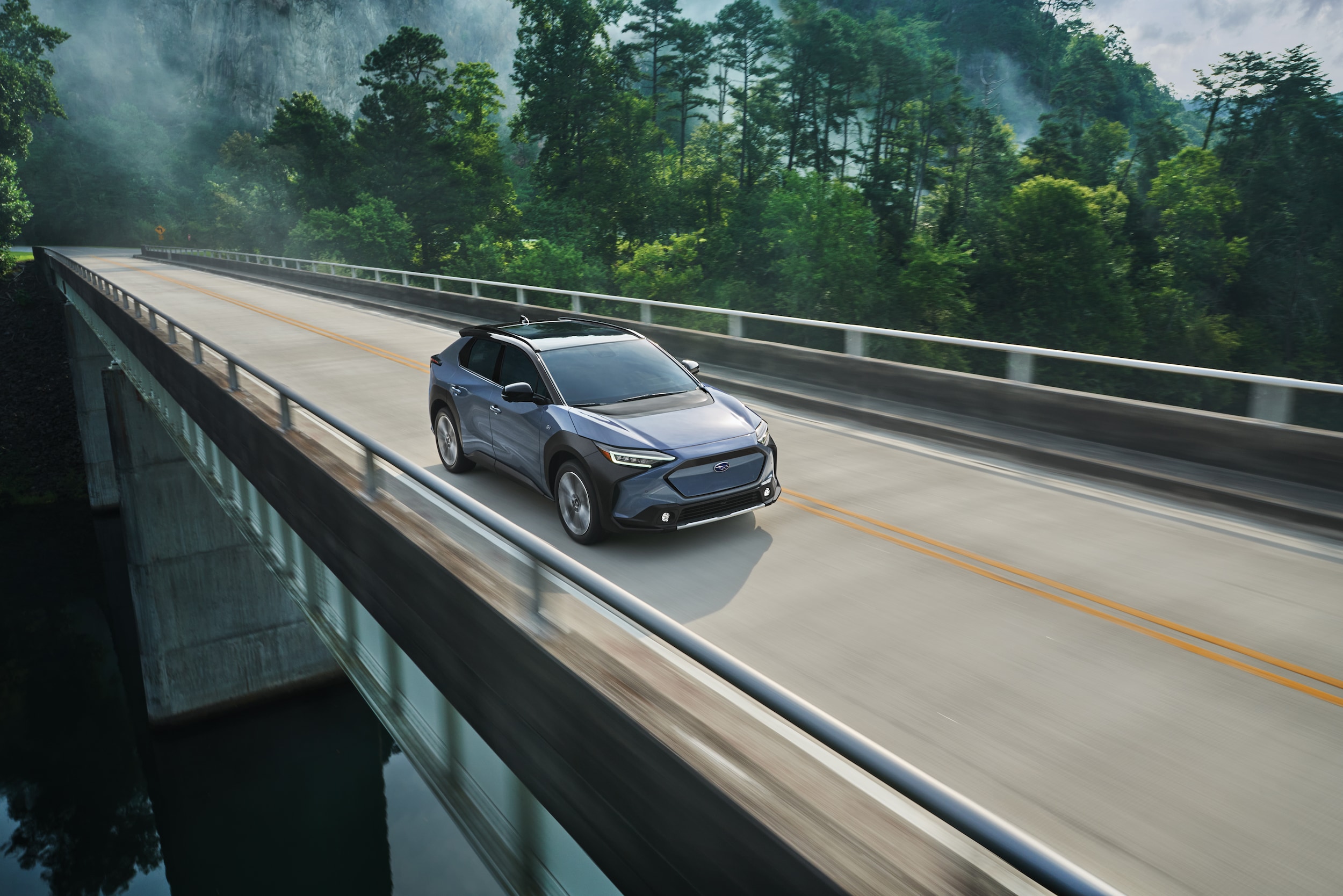
Buying vs Leasing a Subaru
When it comes to acquiring your next Subaru, understanding the basics of buying versus leasing is crucial for making an informed decision. Each option offers distinct advantages and can significantly impact your driving experience, particularly with models like the versatile 2026 Outback.
Buying a Subaru means you'll own the vehicle once it's paid off. This option often involves higher upfront costs or financing through a loan. Ownership comes with benefits such as unlimited mileage, customization options, and long-term value. A well-maintained 2026 Outback can retain strong resale value and provide years of dependable driving.
Leasing a Subaru allows you to drive a new vehicle for a set term, typically two to three years, with lower monthly payments. This option is ideal for drivers who want access to the latest features and technology. Lease agreements often include warranty coverage, reducing unexpected repair costs. At the end of the lease, you can return the vehicle, extend your lease, or explore a new model.
The Ultimate Pros and Cons of Buying a Subaru
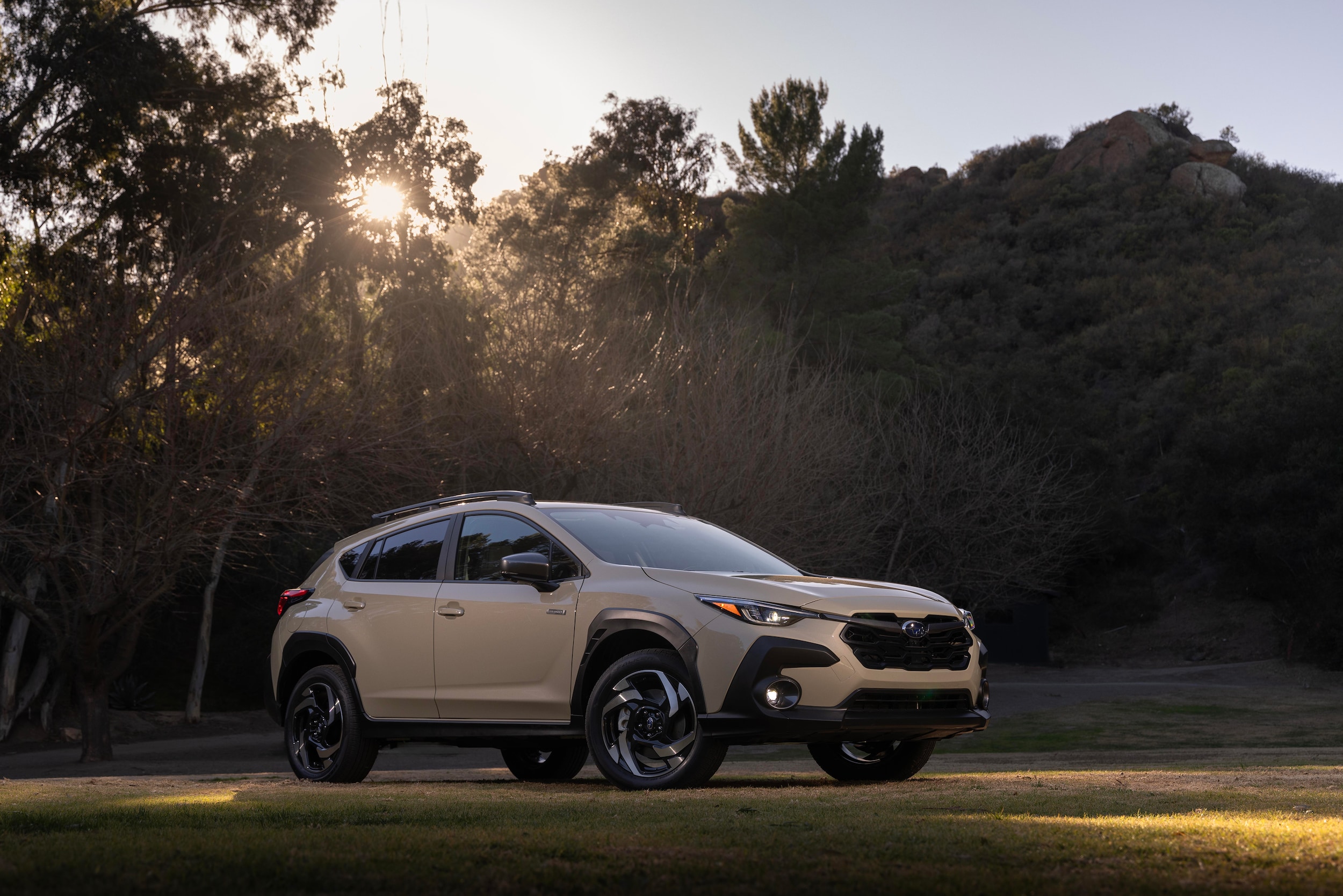
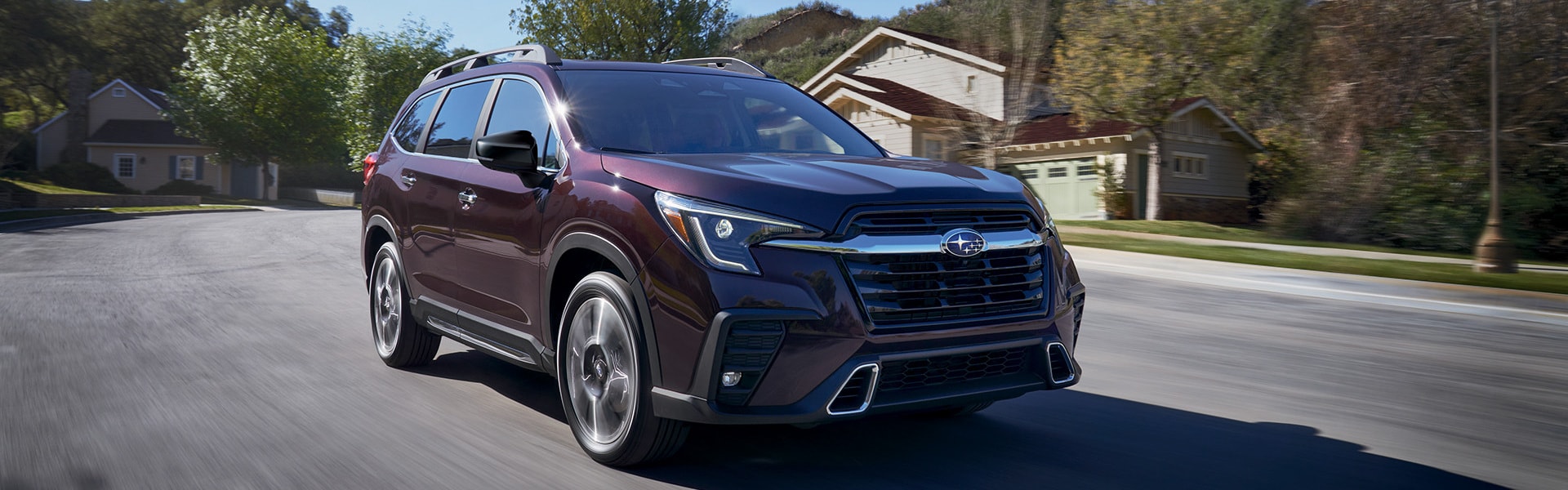
Buying a Subaru offers long-term ownership and flexibility. Once paid off, the vehicle is yours, allowing unlimited mileage and full customization. Models like the 2026 Ascent also tend to hold strong resale value, making them a smart long-term investment. Over time, ownership can become cost-effective since you eliminate monthly payments after the loan is paid.
However, buying typically comes with higher monthly payments and depreciation. Vehicles lose value over time, and once the warranty expires, maintenance costs become your responsibility. Buying also represents a longer-term commitment, which may be challenging if your needs change.
The Ultimate Pros and Cons of Leasing a Subaru
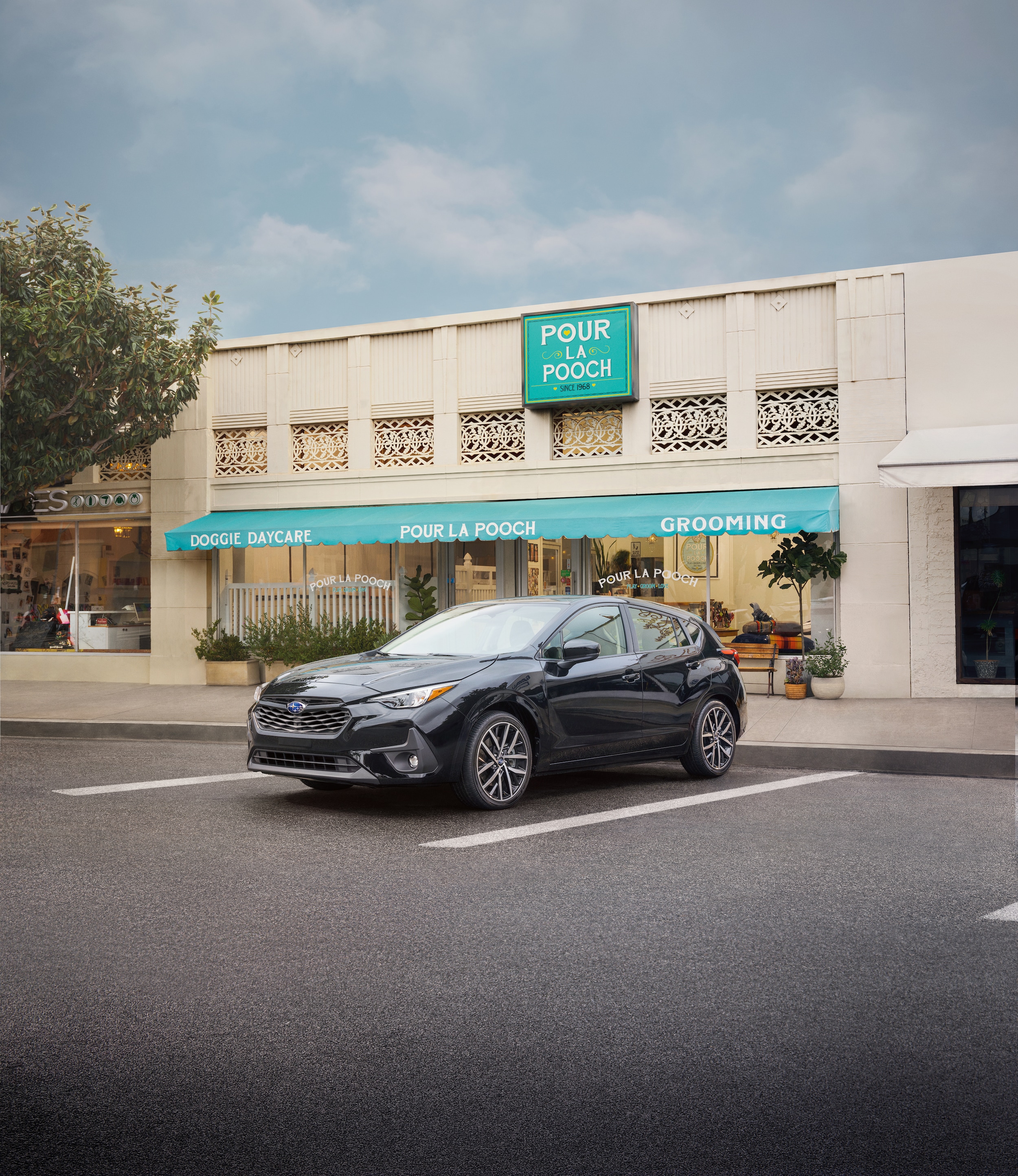
Leasing a Subaru offers lower monthly payments and the ability to upgrade to new models every few years. With vehicles like the 2026 Legacy, you can enjoy modern technology and safety features without long-term commitment. Warranty coverage during the lease term often reduces maintenance costs, and lease-end flexibility allows you to return, purchase, or lease another vehicle.
On the downside, leasing includes mileage restrictions, typically between 12,000 and 15,000 miles per year. You won't own the vehicle, and customization options are limited. Additional fees may apply for excess wear or mileage at the end of the lease.
Tips for Making Your Decision
Start by assessing your budget, including monthly payments and upfront costs. Evaluate your driving habits and annual mileage to determine whether leasing limits will work for you. Research models like the 2026 Ascent for family needs or the 2026 Outback for versatility.
Consider potential lifestyle changes and how long you plan to keep your vehicle. Test driving different models can help you determine comfort and features. If leasing, review agreements carefully for mileage limits, fees, and terms. Consulting a financial advisor may also provide additional clarity.
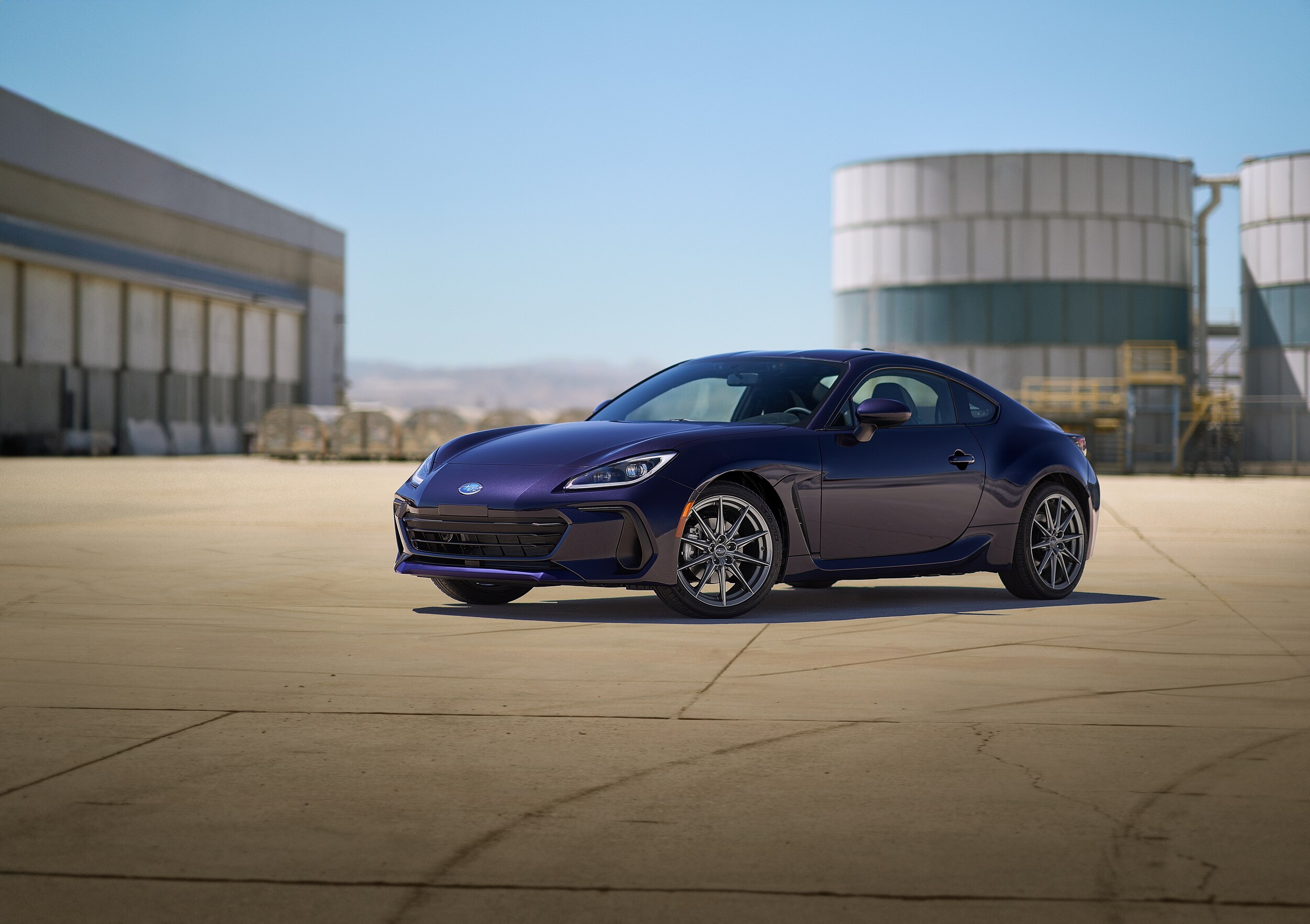
Financial Considerations: Buying vs. Leasing
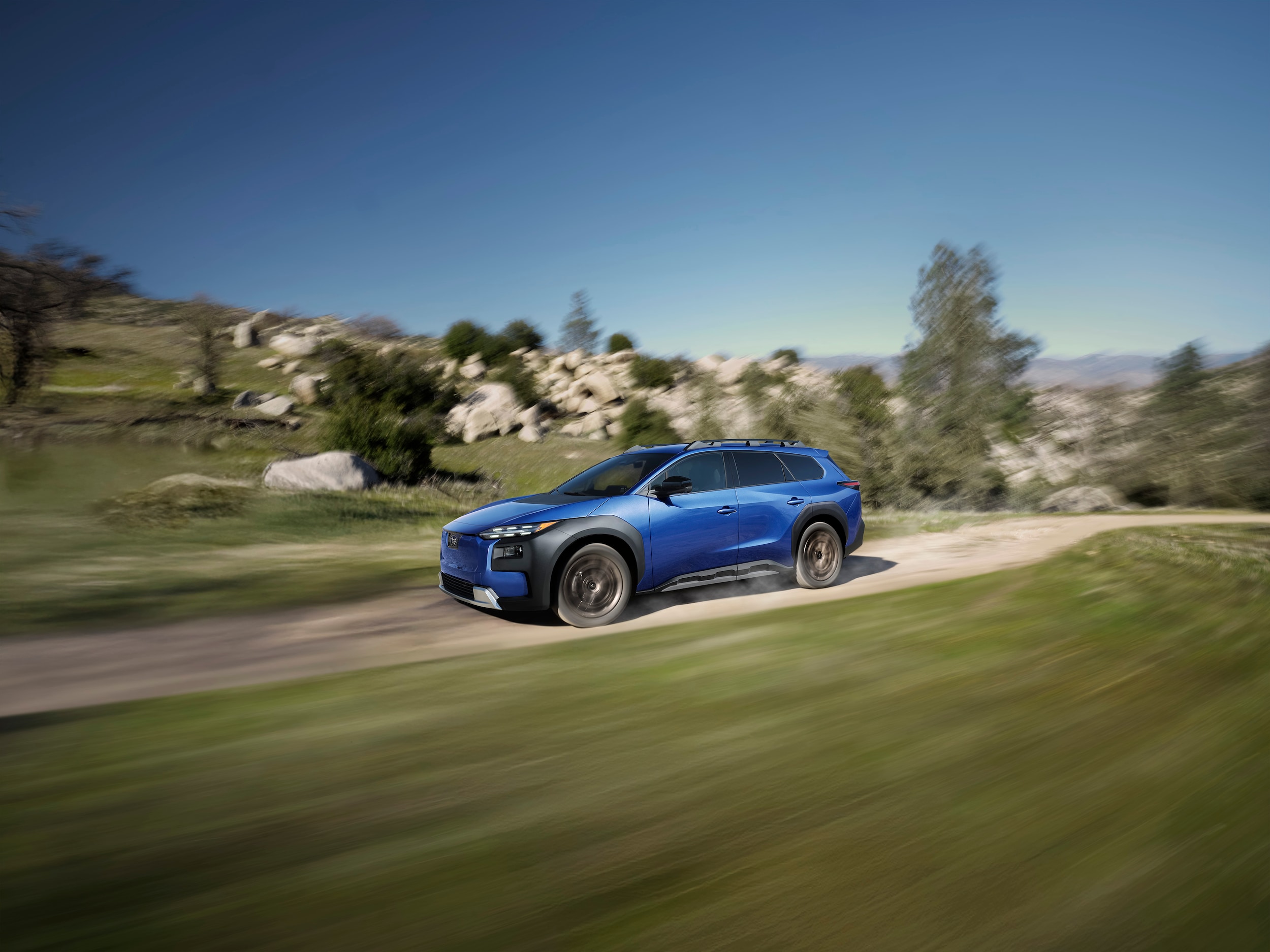
Buying a Subaru generally requires higher upfront and monthly costs but builds equity over time. Once the loan is paid off, you benefit from payment-free driving. However, depreciation and future maintenance costs should be considered when budgeting.
Leasing offers lower monthly payments and reduced maintenance costs due to warranty coverage. However, mileage limits and possible early termination fees can impact overall affordability. Since you don't build equity, leasing does not provide resale value at the end of the term.
Lifestyle and Driving Habits: Making the Right Choice
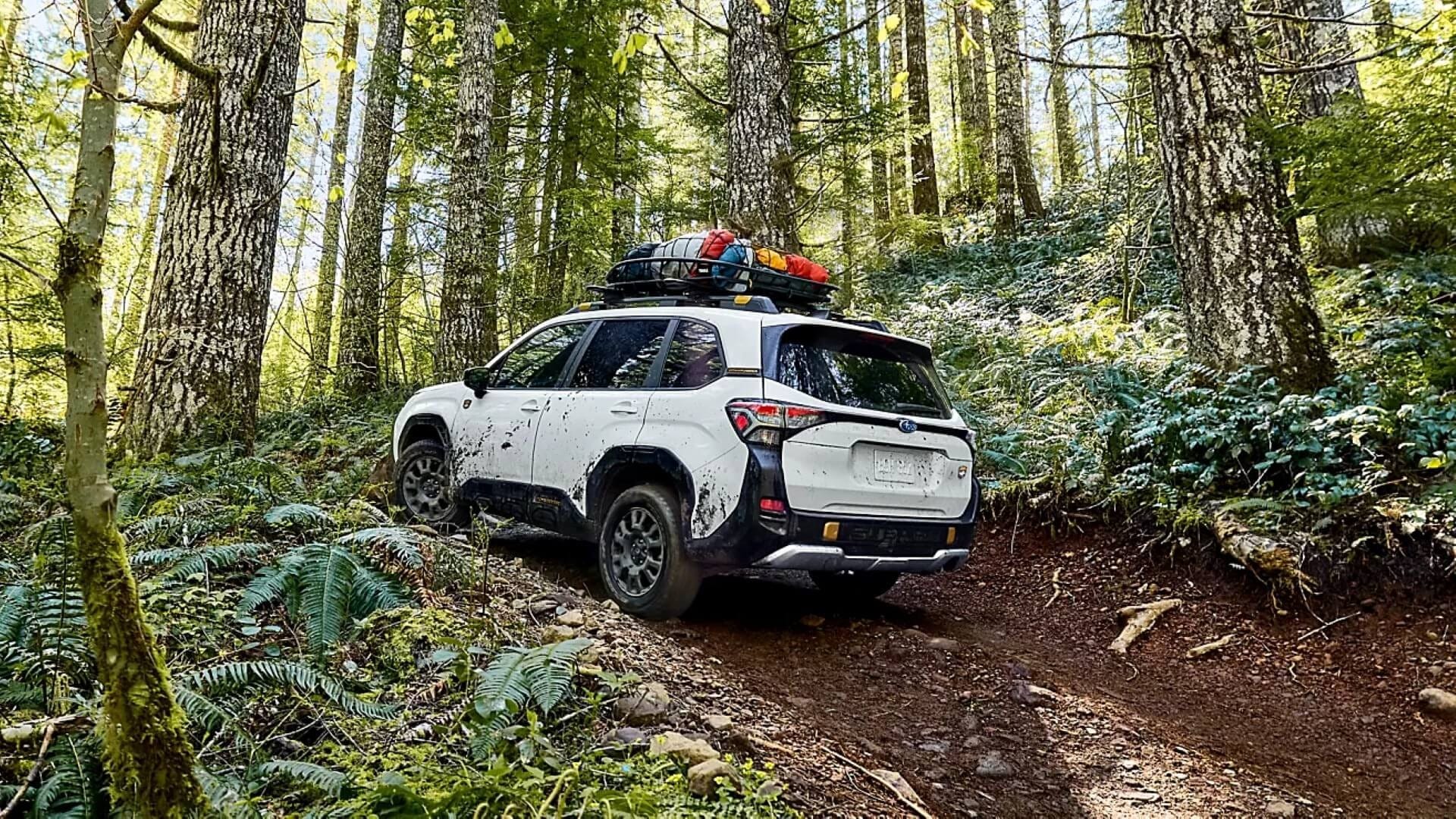
Your driving habits play a key role in deciding whether to buy or lease. If you frequently travel long distances or take road trips, buying may be the better option due to unlimited mileage. For example, owning a 2026 Outback allows you to explore freely without restrictions.
If your driving is limited and predictable, leasing may be more suitable, offering flexibility and access to newer models. It's also important to consider potential life changes, such as relocation or family growth, which may influence your long-term vehicle needs.
While leased vehicles typically cannot be sold since you don't own them, some providers allow lease transfers or buyout options if your circumstances change.
Navigating Lease Options
Lease agreements typically last two to three years and include specific terms such as monthly payments, mileage limits, and end-of-lease options. Understanding these details is essential to avoid unexpected costs.
If you anticipate higher mileage, be aware of possible fees. Some leases allow early termination or transfers, though fees may apply. At the end of the lease, you can return the vehicle, purchase it, or lease a new model.
Warranty coverage generally reduces repair costs, but routine maintenance is still required. Customization is limited during a lease, so consider whether personalization is important to you. Dealership promotions may also offer attractive lease incentives.
Making Your Decision: Buy or Lease Your Subaru
Choosing between buying or leasing a Subaru depends on your lifestyle, budget, and driving habits. Buying offers long-term value and ownership, while leasing provides flexibility and access to newer models.
At East Hills Subaru of Sayville, our team is here to guide you through every step of the process. We offer a wide selection of vehicles, including the adventurous 2026 Outback, the spacious 2026 Ascent, and the stylish 2026 Legacy.
Visit our dealership or contact us today to explore your options. We're here to help you find the Subaru that best fits your needs and enhances your driving experience.